The app is the product people see
Buyers judge a device by its app. A slow pairing flow or a confusing map leads to returns and one-star reviews, even when the hardware works well.
OXIOS handles IoT app development for hardware companies and GPS tracking products: mobile companion apps, the backend that talks to devices, and admin panels for support teams. People judge your device by the app they use every day, so we treat the app as part of the product, not an accessory.
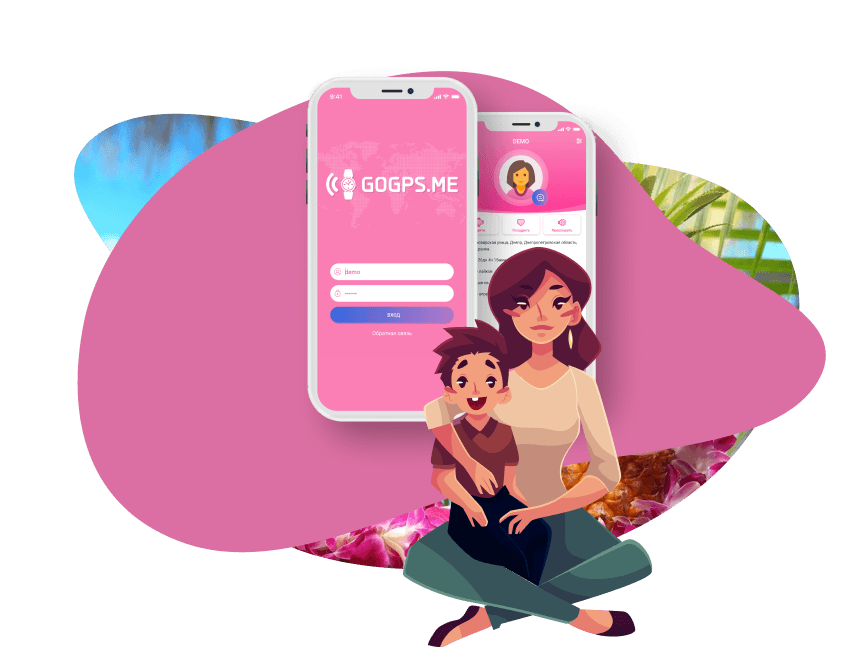
Buyers judge a device by its app. A slow pairing flow or a confusing map leads to returns and one-star reviews, even when the hardware works well.
Trackers and wearables run on small batteries and patchy mobile networks. Every extra location update or message costs battery life, and devices go offline at the worst moments.
Many devices sending positions and events create a constant stream that has to be stored, processed and delivered to the right users within seconds.
Devices need activation, settings changes and troubleshooting. Without an admin panel, every support question ends up on a developer's desk.
iOS and Android apps for pairing, settings, device status and notifications, built with React Native and native modules where the hardware requires them.
A live map, movement history and route playback, with a clear indicator of when each position was received so users know how current it is.
Safe zones with entry and exit alerts, low-battery and offline warnings, delivered as push notifications only when they actually matter.
Commands to devices, settings sync and voice messages between the app and the device, queued until the device comes back online.
A device registry, binding devices to users, support tools and event logs, so your team can solve most issues without developers.
A product website that explains the device and supports sales, with an admin panel where your team updates content without code changes.
A child-safety app for GPS watches: location, geofences, voice chat and movement history.
Open case study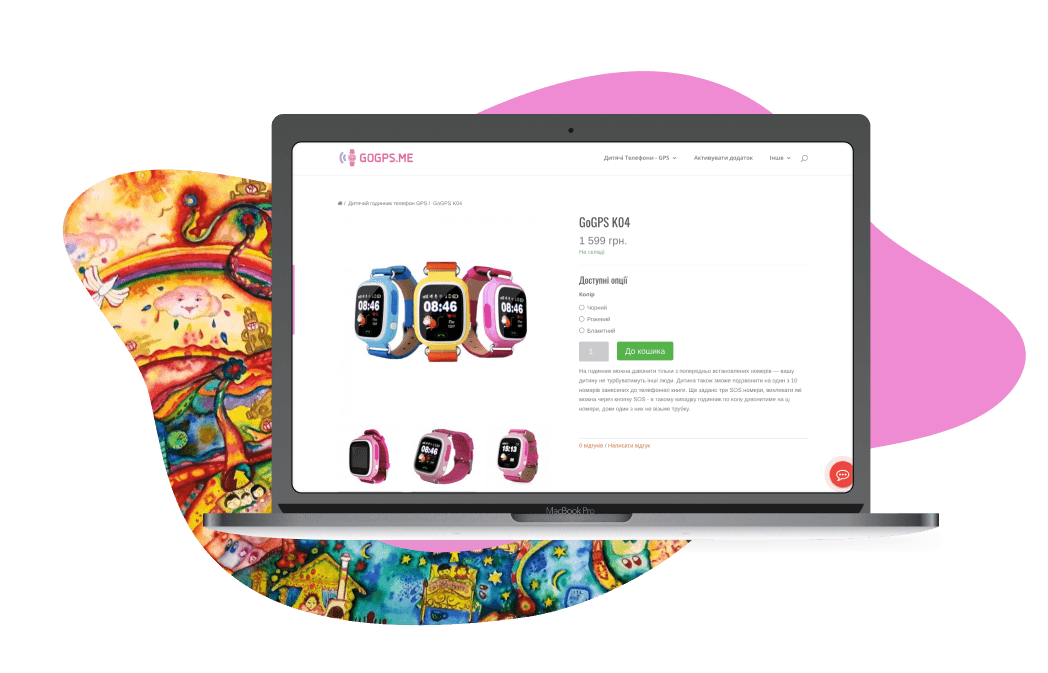
A product website for GoGPS.ME smartwatches with a feature showcase and an admin panel for content.
Open case study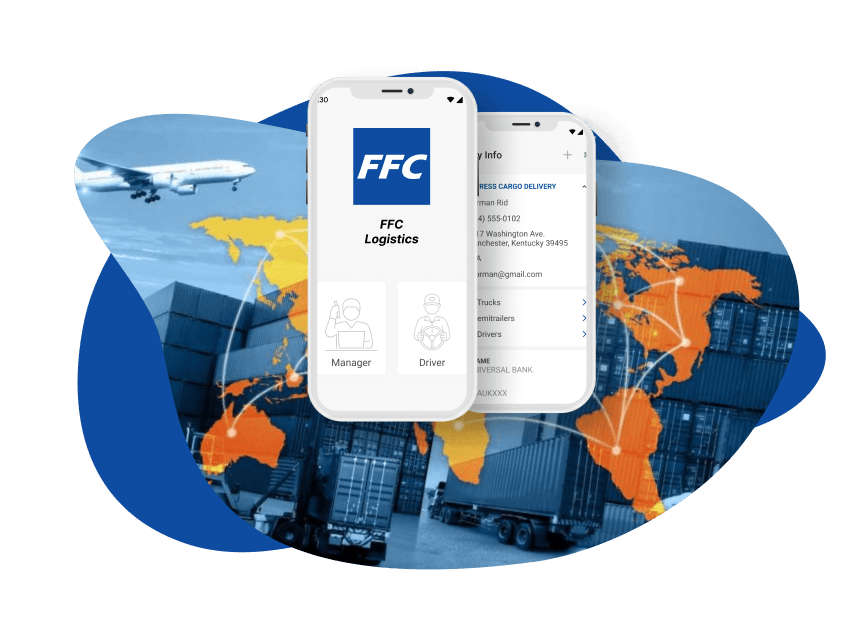
A freight transport app with real-time cargo tracking, order and document management and carrier chat.
Open case studyIoT app development is mostly about the space between the device and the person. In GoGPS.ME, a parent app for kids' GPS watches, parents see the child's live location, set geofences, exchange voice messages with the watch and review movement history. An admin panel lets the team manage devices and users. We also built the GoGPS.ME product website with its own content admin panel, so the team can update pages without waiting for developers.
Hardware sets the rules. Before designing screens we study the device protocol, how often it reports its position, how it behaves on low battery and what happens when the SIM loses network. Then we design the app around these facts: show when a location was last updated instead of pretending it is always live, queue commands until the device reconnects, and send alerts only when they matter, so parents or operators don't learn to ignore them.
The backend receives device data, stores history and delivers events to the right users through push notifications and in-app updates. We build it in Node.js with a database chosen for the load, MongoDB or PostgreSQL, and document the API so your firmware team or partners can integrate. The same approach to GPS tracking works beyond consumer gadgets: in FFC Logistics, real-time cargo tracking is the core of a freight app used by managers and carriers.
Apps are built within our mobile app development service using React Native, which covers iOS and Android from one codebase; we add native modules where Bluetooth, background location or other device features need them. Background location and Bluetooth come with strict App Store and Google Play rules, so we prototype these parts first and prepare clear explanations for store review. A typical first release covers pairing, live status, one or two key alerts and an admin panel. Share your device specs and we'll reply within one business day.
As of 2026, a companion app with a backend and admin panel for a device with a documented protocol typically costs approximately $40,000–$100,000. Undocumented protocols, Bluetooth pairing, several device types and high data volumes add to the budget. The main factors are how the device communicates, how real-time the data must be and how many user roles you need. Our free estimate gives a range for your device.
Yes. Mature libraries cover Bluetooth Low Energy and location, and we write native modules when a device needs something specific. Background location is tightly controlled by iOS and Android: the app must ask for permission at the right moment and justify it during store review. We build a small prototype on real hardware early, so these risks surface before the main development budget is spent.
We adjust the update rate to the situation: frequent updates while moving or when a parent opens the live map, rare ones when the device is still. We batch data before sending it, use the system's power-saving location modes and smooth positions on the server instead of on the device. The trade-off between accuracy and battery is discussed with you and documented for each mode.
No. We build the software around the device: mobile apps, backend, admin panels and product websites. We work with your hardware or firmware team, or with the manufacturer, through a documented protocol or API. If the protocol isn't documented yet, we help describe the messages the app needs, so both sides agree on a clear contract before development starts.
Location is personal data under GDPR, and data about children needs extra care. We collect only what the feature needs, set retention periods for movement history, restrict access by role and encrypt connections. Parents can see and delete history, and store privacy labels describe exactly what is collected. We plan these rules around GDPR requirements and recommend a privacy review with your lawyer.
iOS and Android apps on React Native and Expo: design, backend, App Store and Google Play release, push, subscriptions and support after launch.
Learn moreREST APIs and Node.js backends for web and mobile apps: auth, payments, push, maps, Telegram bots, CRM integrations and scheduled jobs.
Learn moreCustom web applications, SaaS platforms, marketplaces and admin panels on React, Next.js and Node.js, from discovery to launch and support.
Learn moreTell us what you want to build. Within one business day we reply with a recommended scope, rough timeline, team shape and budget range.