Two platforms, one team
We build most apps with React Native and Expo, so iOS and Android share one codebase. Each feature is built once, and both platforms are released at the same time.
OXIOS is a mobile app development company that takes iOS and Android apps from idea to the App Store and Google Play. We design the product, build the app and its backend, handle store review and keep improving the app after release.
We build most apps with React Native and Expo, so iOS and Android share one codebase. Each feature is built once, and both platforms are released at the same time.
Accounts, push notifications, payments, schedulers and the admin panel are part of the project, not a separate vendor. The app and the server are designed together.
We prepare builds, screenshots, privacy details and review notes, and deal with App Store and Google Play feedback until the app is live.
Analytics, crash reporting and regular updates show how people really use the app, so the next sprint goes into what matters to them.
Consumer and business apps for phones and tablets, built with React Native and Expo, with native modules where a feature needs them.
Firebase push, scheduled reminders and notifications triggered by server events, with settings that keep users in control of what they receive.
App Store and Google Play in-app purchases, subscriptions with trial periods and Stripe for web payments, kept in sync on the backend.
Local storage and sync for apps used on the road or with a weak connection: cached content, queued actions, maps and audio that work without internet.
Live location, geofences, route tracking, chats and order status updates for delivery, logistics and IoT products.
Event analytics, crash reports, store listings, beta testing through TestFlight and Google Play testing tracks, and the release itself.
We define the users, main scenarios, platforms, monetization and integrations, then agree on the scope of the first release.
User flows and Figma prototypes that follow iOS and Android conventions and are checked on real screen sizes.
Two-week sprints with daily syncs. After each sprint you get a demo and a build you can install on your phone.
Testing on real devices and OS versions, including notifications, payments, a poor network and edge cases.
Store listings, privacy forms, review submission and fixes for any reviewer comments.
Monitoring, updates for new OS versions, bug fixes and new features based on analytics and user feedback.
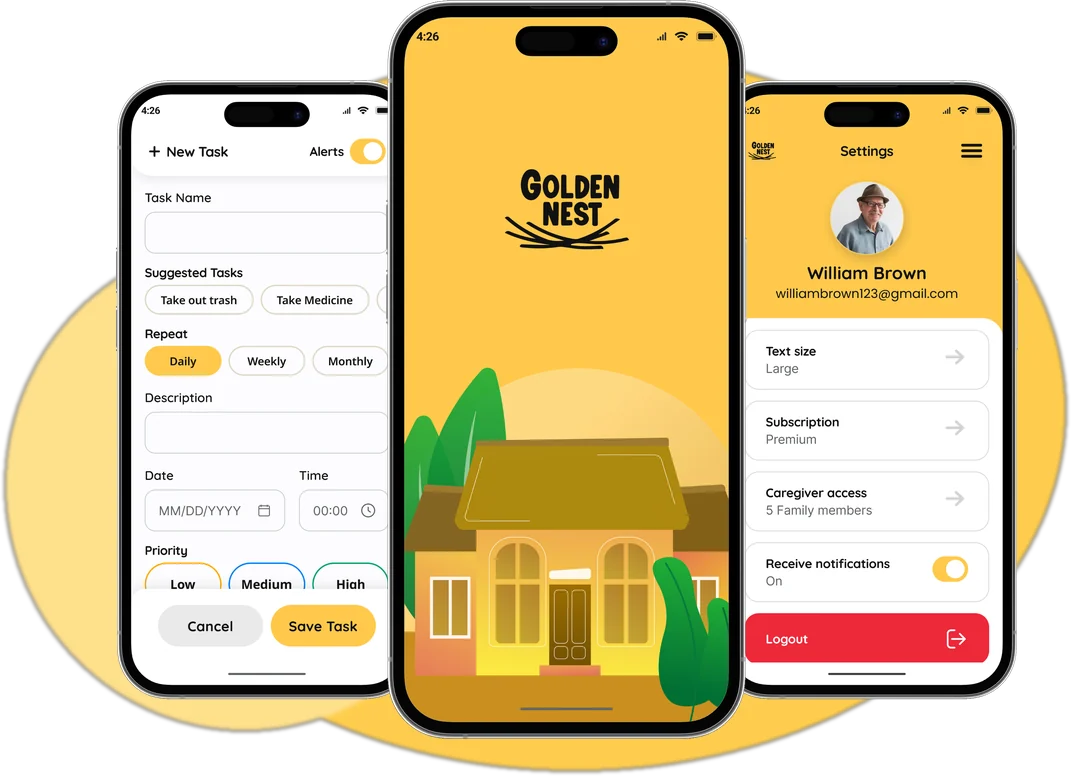
A daily companion app that helps seniors live independently — with reminders, home and garden guidance, and a Circle of Care for family.
Open case study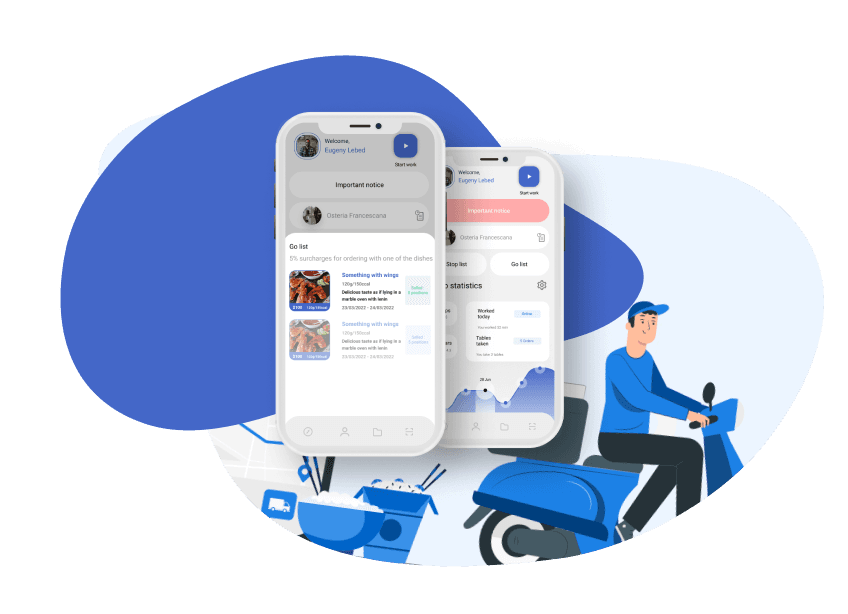
Digital menus, QR ordering, card payments and delivery tracking — plus tools for waiters and couriers.
Open case study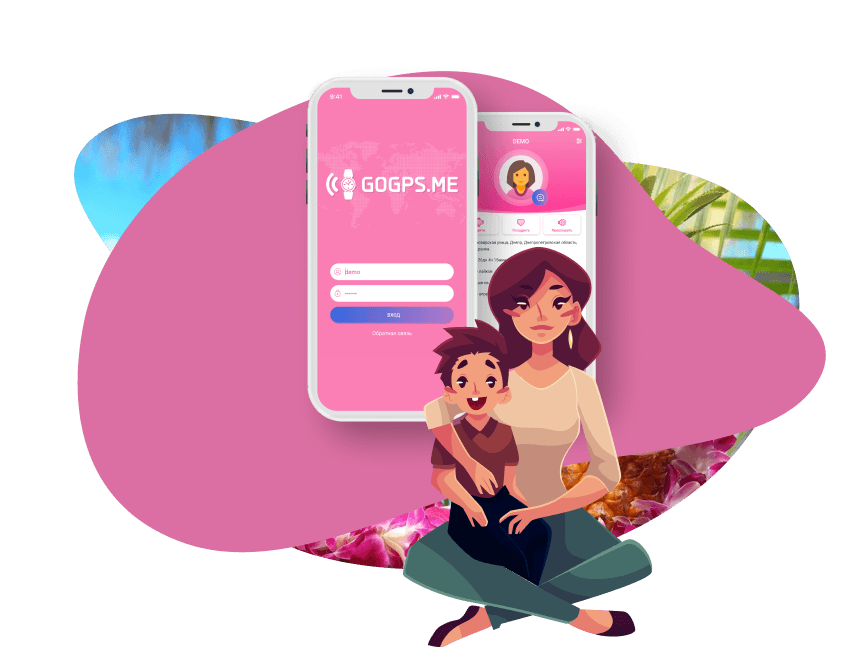
A child-safety app for GPS watches: location, geofences, voice chat and movement history.
Open case studyA good mobile app does a few things very well. Before any code is written, we work out which actions your users will repeat every day and design the app around them, then decide which features can wait for version two. This keeps iOS and Android app development focused and the first release affordable.
Our default stack is React Native with Expo and TypeScript on the client, and Node.js with MongoDB or PostgreSQL on the server. It covers most products, from booking and delivery to health and education. When a feature needs deeper platform access, we add native modules; when an app truly needs fully native code, we say so at the estimate stage. The trade-offs are covered in our post on React Native vs native development.
The work users don't see often takes the most time: push notifications that arrive at the right moment, subscriptions that stay in sync across the App Store, Google Play and the web, offline mode and store review. For Golden Nest, a companion app for seniors, we built medication and task reminders with flexible repeats, a Node.js backend with schedulers and push notifications, subscriptions through Stripe and in-app purchases, and published the app on both stores. Quick Pay is a different kind of product: a guest app with a digital menu, QR ordering and card payment, plus a staff app for waiters and couriers. GoGPS shows the real-time side: live location, geofences and voice chat in a parent app for kids' GPS watches.
Store review is part of the timeline. Apple typically reviews an app within a day or two, but a rejection for missing privacy details or an unclear purchase flow can add several days, and new personal Google Play developer accounts must run a closed test before releasing to production. We plan for this from the start. If you want a scope, timeline and budget range for your app, tell us about it.
Cost depends on the number of screens and user roles, backend complexity, integrations such as payments or maps, and how detailed the design is. As of 2026, a focused MVP for iOS and Android typically costs tens of thousands of dollars on the market, and products with several apps and an admin panel cost more. Our free estimate gives you a budget range, a timeline and the recommended first-release scope.
A focused first version usually takes around 3–5 months from discovery to store release. Simpler apps can be faster, while products with several user roles, real-time features or complex payments take longer. Add time for store review and, for new Google Play accounts, a closed testing period. We share a sprint-by-sprint plan at the estimate stage.
In most cases we use React Native with Expo: one codebase for iOS and Android, with native modules where needed. It lowers cost and keeps both platforms in step. For apps built around heavy 3D graphics, advanced camera processing or very specific platform features, fully native development can be the better choice, and we will tell you if that applies to your product.
Yes. We set up the store listings, prepare screenshots, descriptions and privacy details, configure in-app purchases, submit builds and respond to reviewer feedback. We recommend publishing under your own developer accounts, so the app belongs to your company from day one. Golden Nest, for example, is published on both the App Store and Google Play.
Yes, if offline mode is planned from the start. We store the data the user needs on the device, queue their actions and sync them when the connection returns. The Tropa tour app, for example, has offline routes and an audio guide that keeps playing on a locked screen. Offline support adds work, so we limit it to the features that really need it.
Yes. After launch we monitor crashes and analytics, update the app for new iOS and Android versions and store policies, fix bugs and build new features in the same sprint format. Mobile platforms change every year, so an app needs regular updates even when you are not adding features.
HealthTech, AgeTech and medical education apps with clear UX, reliable reminders, caregiver access and privacy planned from day one.
Learn moreRestaurant, café and food delivery apps: digital menus, QR ordering, payments, staff and courier apps, stop lists and loyalty.
Learn moreFreight, delivery and transportation software: GPS cargo tracking, orders and documents, carrier chat, driver and courier apps.
Learn moreTell us what you want to build. Within one business day we reply with a recommended scope, rough timeline, team shape and budget range.