One team, full stack
Design, React and Next.js frontend, Node.js backend and the database stay with one team, so decisions about features, data and UX are made together instead of being passed between contractors.
OXIOS is a web development company from Kharkiv, Ukraine, that builds custom web applications for startups and growing businesses: SaaS products, marketplaces, admin panels and fast corporate sites on Next.js. One team covers discovery, design, frontend, backend and support after launch.
Design, React and Next.js frontend, Node.js backend and the database stay with one team, so decisions about features, data and UX are made together instead of being passed between contractors.
Next.js gives you server rendering, a fast first load and clean URLs. Marketing pages and catalogs get proper metadata, sitemaps and structured data, so Google can index them.
We work in two-week sprints with a demo at the end of each one. You see working software regularly and can change priorities before budget goes into the wrong feature.
TypeScript, documented APIs and a readable codebase mean another developer, yours or ours, can pick the project up later without reverse-engineering it.
Internal tools, client portals and dashboards built around your workflow: roles and permissions, forms, reports, file uploads and integrations with the services you already use.
Multi-user products with sign-up, subscription billing through Stripe, onboarding, account settings and an admin side where your team manages customers.
Two-sided platforms with listings, search and filters, bookings or orders, payments, reviews and moderation tools.
Content, catalog, user and order management for web and mobile products, so your team can update prices, texts and settings without a developer.
Fast Next.js sites with a content admin panel, multilingual pages, contact forms and analytics: sites that load quickly and are easy for search engines to read.
Course catalogs, video players, user progress, certificates, payments and live broadcasts for education and media projects.
We clarify goals, users, scope, risks and technology, then turn them into a roadmap and an estimate with a recommended first release.
User flows, wireframes and clickable Figma prototypes, so you can check the product logic before code is written.
Two-week sprints with daily syncs, a demo and a retrospective after each one. Frontend and backend move forward together.
Testing across browsers and screen sizes, performance and SEO checks, then deployment to production with monitoring in place.
Bug fixes, updates and new features based on what real users do after launch.
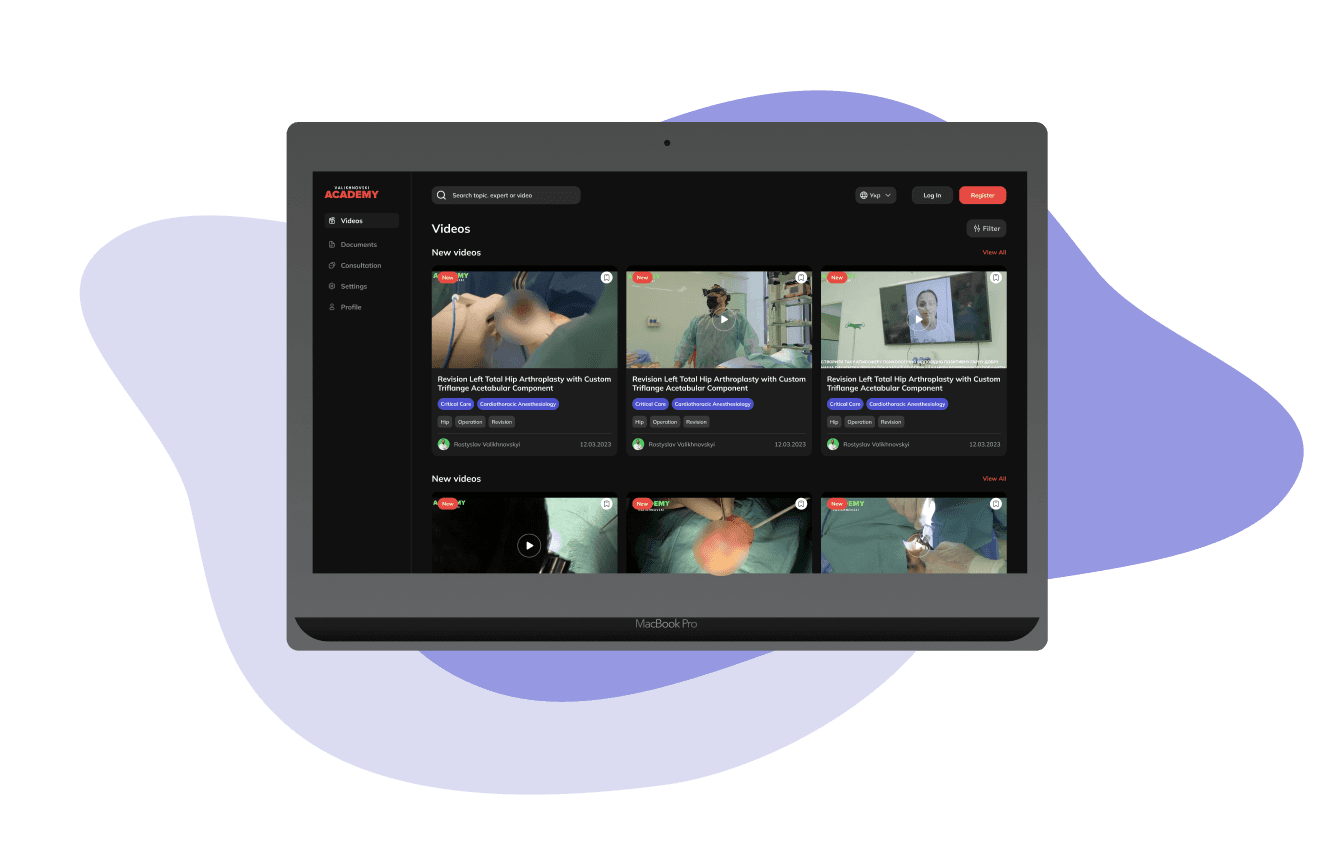
An education platform for doctors and medical students with surgery broadcasts, simulator courses and exam preparation.
Open case study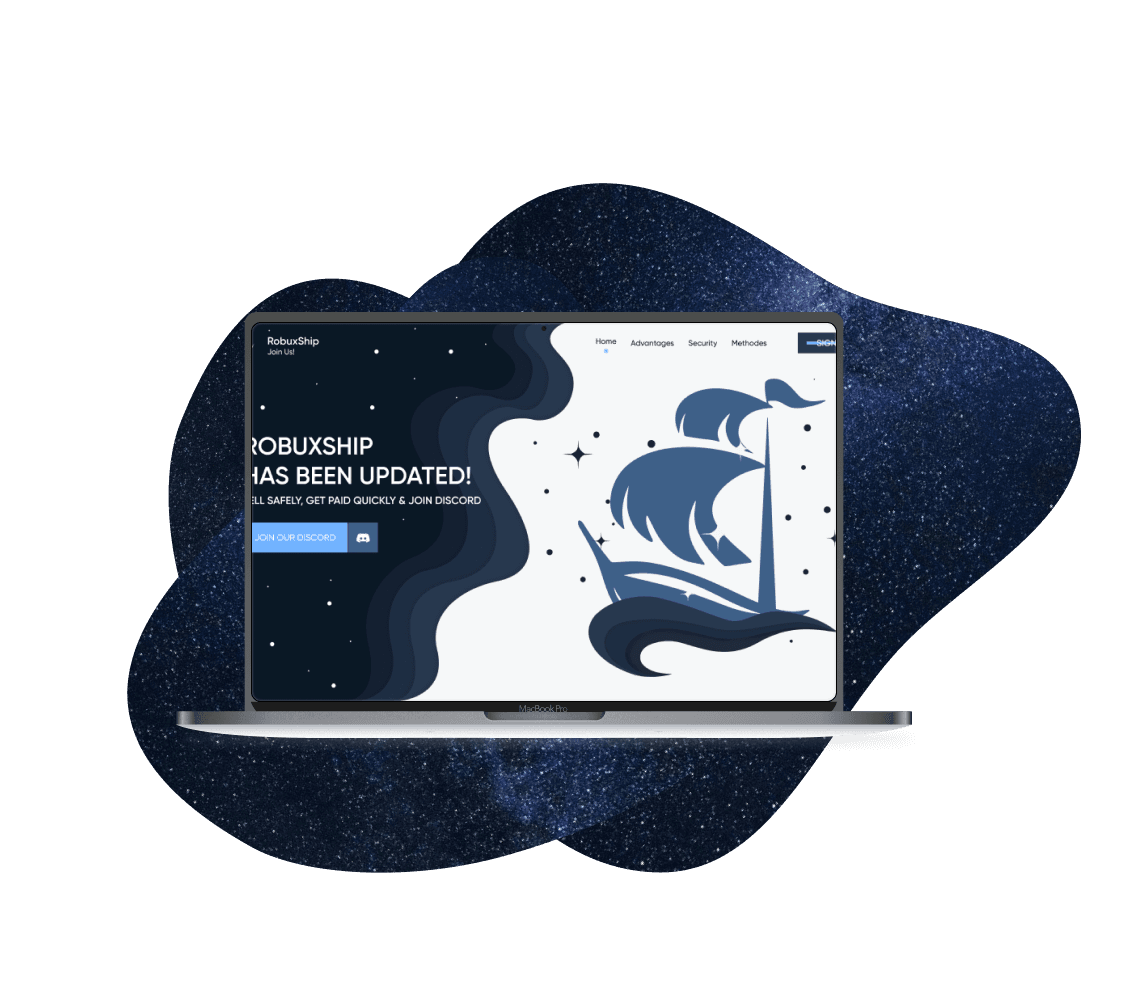
A web service to buy Robux safely and sell quickly, with sales analytics and multiple payment options.
Open case study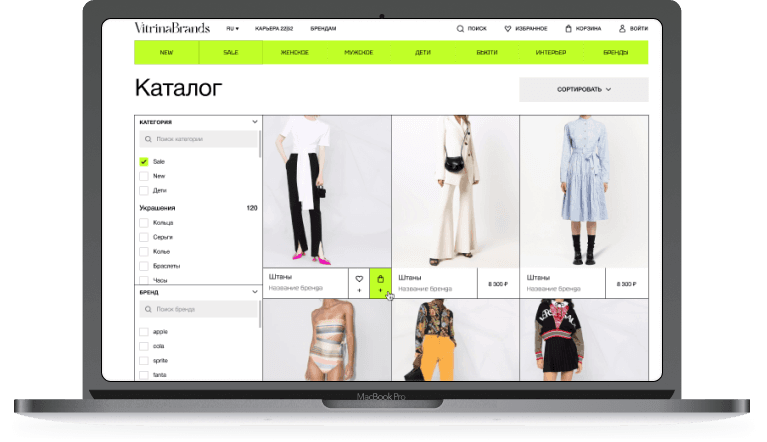
A showcase website for local fashion brands with a catalog, smart search and content management.
Open case studyMost web projects that go over budget do so because the scope was never pinned down. That is why custom web application development at OXIOS starts with discovery: who uses the product, which three or four actions matter most to them, what data moves where, and which integrations are non-negotiable. The result is a roadmap and a first release that is small enough to ship and big enough to be useful. If you already have a specification, we go through it with the same questions, because gaps found now cost far less than gaps found in the middle of development.
For the frontend we usually choose React with Next.js and TypeScript. Next.js renders pages on the server, which helps both speed and search visibility, and that matters for marketplaces, catalogs and anything that depends on organic traffic. On the backend we use Node.js with PostgreSQL or MongoDB, depending on the data: relational data with a lot of reporting fits PostgreSQL, while flexible content and fast iteration often fit MongoDB. We explain the trade-off instead of picking by habit.
Our web work covers very different products. For Valikhnovski Academy we built a medical education platform with online and offline surgery courses, live surgery broadcasts, USMLE and PLAB prep, a custom video player, certificates and an admin panel. Robux is a web marketplace for in-game currency with PayPal and crypto payments, sales analytics and an admin panel. Vitrina Brands is a Next.js showcase for local fashion brands with a catalog and smart search. If you are building a two-sided platform, our page on marketplace development covers the typical pitfalls.
Web first is often the cheaper way to test an idea: one codebase reaches every device, and releases don't wait for app store review. A mobile app becomes worth it when your users need push notifications, offline access, the camera or GPS every day. After launch we stay on for support, monitoring and new features. To get a scope, timeline and budget range for your project, send us a short description and we will reply within one business day.
It depends on scope, the number of user roles, integrations and design complexity. As of 2026, a corporate site on Next.js typically costs a few thousand dollars on the market, while a custom web application or marketplace MVP usually lands in the tens of thousands. We give a budget range after a short discovery call, together with the recommended first-release scope and the main risks.
A corporate or product website typically takes around 3–6 weeks. An MVP of a web platform with accounts, payments and an admin panel usually takes around 2–4 months, and a larger SaaS product or marketplace takes longer. The biggest factors are the number of features in the first release, third-party integrations and how quickly decisions are made on your side.
Next.js combines React with server-side rendering, static generation and routing out of the box. Pages load fast and are easy for search engines to read, which matters for marketplaces, catalogs and marketing sites. It also lets us share code and developers with React Native mobile apps, so a product with web and mobile parts stays consistent.
Yes. We start with a review of the code and infrastructure: architecture, dependencies, security, tests and deployment. You get a list of problems ranked by risk and a plan. Sometimes that means fixing and continuing, sometimes rewriting specific parts. We recommend a full rewrite only when maintaining the current code would cost more over time.
Yes, most of our mobile products come with a web admin panel. In the Garage car-service marketplace, for example, service owners work through a web admin panel and a Telegram bot. An admin panel lets your team manage users, content, orders and settings without a developer and without releasing an app update.
Yes. OXIOS works with clients worldwide, including Europe, the US and Canada. The team works in European time and overlaps with your working hours, so calls and quick questions don't wait until the next day. Every two-week sprint ends with a demo, so you see progress regularly, whatever your time zone.
Two-sided marketplaces for services and goods: onboarding for both sides, catalog and search, booking, payments and payouts, ratings, moderation.
Learn moreHealthTech, AgeTech and medical education apps with clear UX, reliable reminders, caregiver access and privacy planned from day one.
Learn moreCompanion apps for connected devices and GPS trackers: live location, geofences, device messaging, admin panels and product websites.
Learn moreTell us what you want to build. Within one business day we reply with a recommended scope, rough timeline, team shape and budget range.