Users who aren't power users
Seniors, patients and tired caregivers drop apps that need more than a few taps. Small fonts, hidden gestures and crowded screens turn a useful tool into one more source of stress.
OXIOS provides healthcare app development for HealthTech startups, senior-care services and medical education projects. We design for people who are not tech enthusiasts, plan data protection before the first line of code, and ship to the App Store, Google Play and the web.
Seniors, patients and tired caregivers drop apps that need more than a few taps. Small fonts, hidden gestures and crowded screens turn a useful tool into one more source of stress.
Health data is a special category under GDPR, and in the US, HIPAA applies when you handle protected health information for providers or insurers. Mistakes in storage, access or vendor choice are expensive to fix after launch.
A medication reminder that fires late, twice or not at all destroys trust. Flexible repeat rules, time zones, phones in power-saving mode and push delivery limits make scheduling harder than it looks.
Relatives, carers and clinicians need different views of the same information. Without clear roles you either overshare private data or leave the people who help guessing.
iOS and Android apps with large touch targets, readable type, one main action per screen and simple navigation, built with React Native and tested with people of the target age.
Medication, appointment and task reminders with flexible repeats, server-side schedulers and push notifications through Firebase, plus a clear history of what was done and what was missed.
Role-based access such as a read-only circle for relatives, invitations that the user controls, and permission rules that decide exactly who sees which data.
Course platforms with a custom video player, live broadcasts, test preparation and certificates, plus narrated video tutorials inside patient apps for people who learn better by watching.
Progress tracking, challenges and rewards that keep people coming back to healthy routines without turning the app into a noisy game.
Node.js APIs with encrypted connections, role-based access and logging of sensitive actions, subscriptions through Stripe and in-app purchases, and an admin panel for content and support.
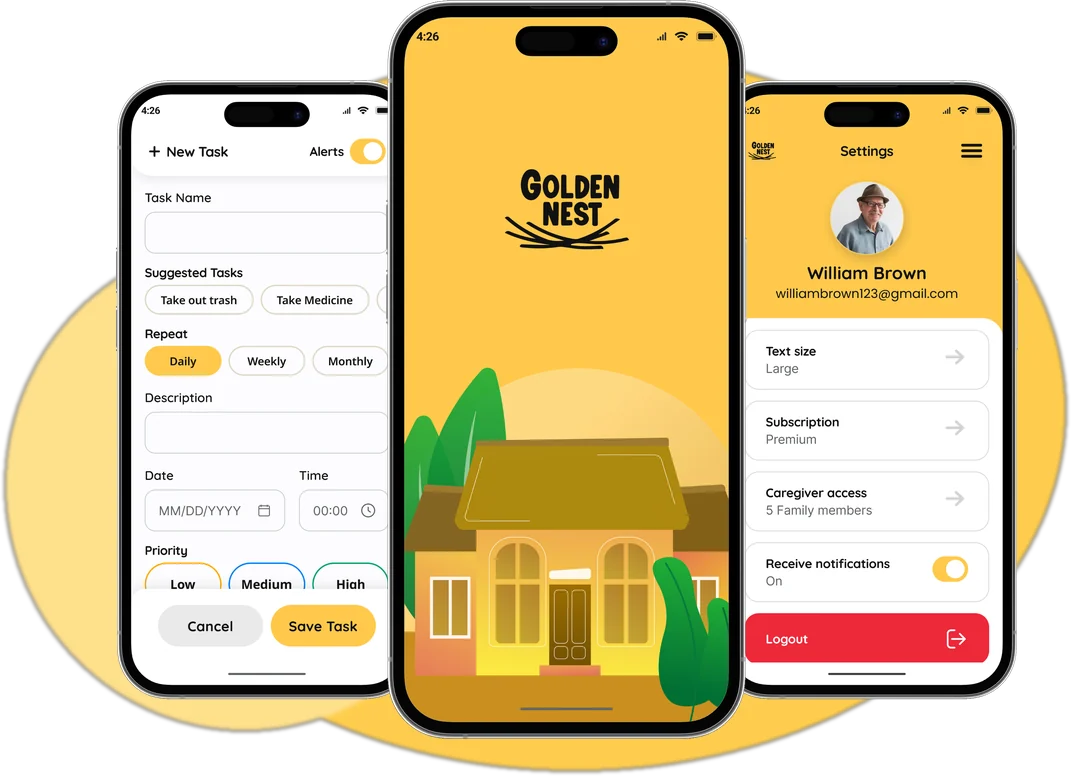
A daily companion app that helps seniors live independently — with reminders, home and garden guidance, and a Circle of Care for family.
Open case study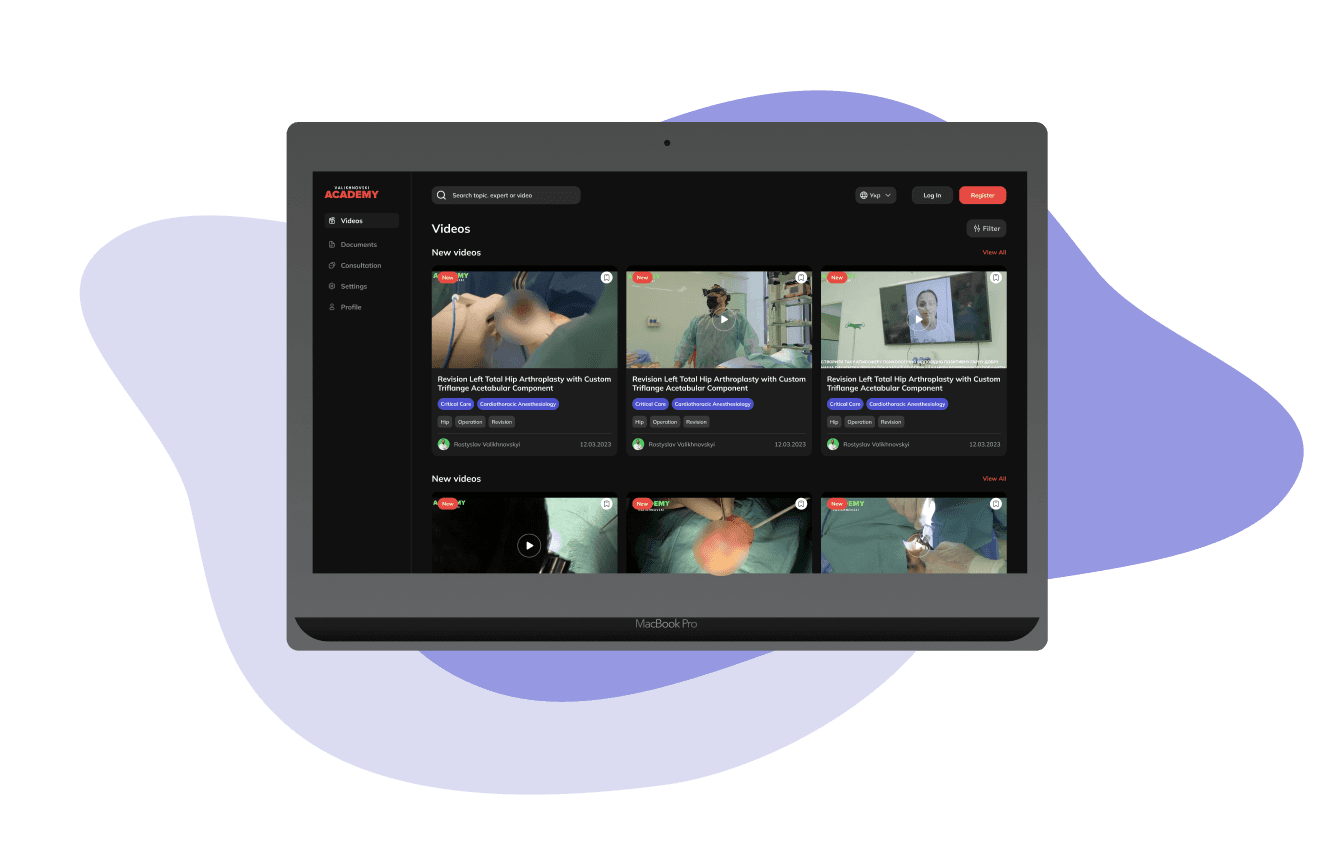
An education platform for doctors and medical students with surgery broadcasts, simulator courses and exam preparation.
Open case study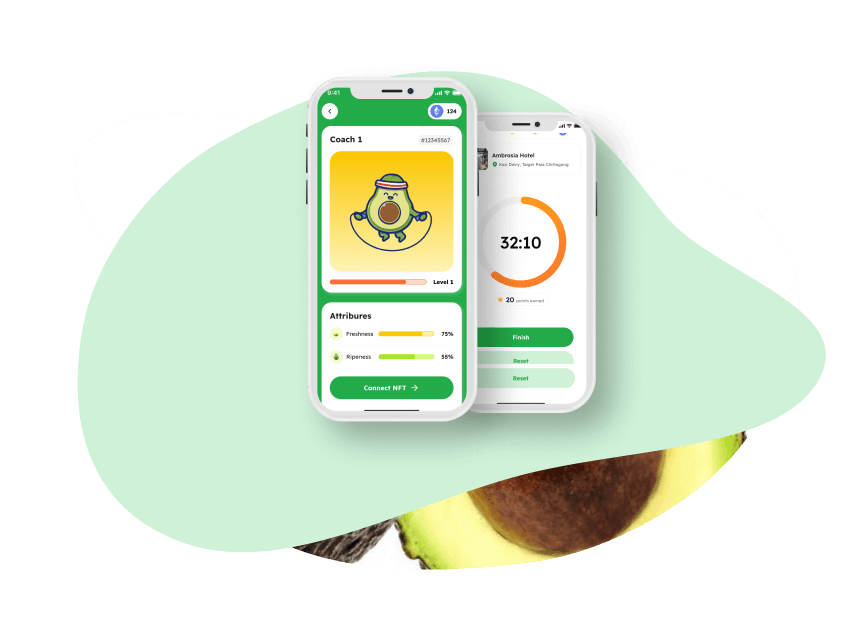
A mobile app that rewards healthy eating with cryptocurrency that can be spent at partner cafes.
Open case studyHealthcare app development starts with the people who will hold the phone. In discovery we map every role — patient, senior, family member, clinician, administrator — and what each of them needs to see and do. For Golden Nest, an AgeTech companion app for seniors, that meant medication and task reminders with flexible repeats, weather-aware gardening and home-care modules, and a read-only Circle of Care so family can follow along without changing anything. The app is published on the App Store and Google Play and comes with narrated video tutorials, because many older users learn faster by watching than by reading.
Privacy is an architecture decision, not a checkbox at the end. We decide early which data you actually need, where it is stored, who can access it and how long it is kept. Under GDPR, health data is a special category: you need a clear legal basis (often explicit consent), data minimisation, a data processing agreement with every vendor and a way for users to export or delete their data. If you work with US healthcare providers or insurers, HIPAA may apply, which affects hosting, vendor agreements, access logs and breach procedures. We don't certify anyone; we plan storage, access rules and vendors around these requirements and work alongside your legal adviser.
Medical education is a category of its own. For Valikhnovski Academy we built a web platform for online and offline surgery courses, live surgery broadcasts and USMLE/PLAB preparation, with a custom video player, certificates and an admin panel. Wellness is another direction: CryptoCado rewards healthy eating with crypto tokens that users spend at partner cafes, backed by progress tracking and social challenges.
We usually recommend starting with a focused MVP: one main user journey, the reminders or content that make it useful, and the minimum of personal data. That gets you to real users sooner and keeps the regulatory surface small. Our mobile app development team works in two-week sprints with a demo after each one, so clinicians or care experts on your side can review flows before they are final. Tell us about your product: we reply within one business day, and the free estimate covers MVP scope, timeline, team, budget range and risks.
Scope matters more than the industry label. As of 2026, a focused MVP for iOS and Android with a backend and admin panel typically costs approximately $30,000–$80,000. Video platforms, integrations with clinical systems and heavy compliance work push the budget higher. The main factors are the number of user roles, integrations, content volume and security requirements. Our free estimate gives you a budget range for your specific scope.
Compliance depends on your organisation and its processes, not only on the code, and no development studio can certify an app on its own. What we do is design with these requirements in mind: data minimisation, encryption in transit and at rest, role-based access, logs of sensitive actions, hosting and vendors that sign the required agreements, and export and deletion flows. We recommend involving a privacy lawyer during discovery.
We use large type and buttons, high contrast, one main action per screen and no hidden gestures. Every important action gets a clear confirmation, inputs forgive mistakes, and short video tutorials explain the key features. We test prototypes with people of the target age, and we often add a family helper role so relatives can support setup without taking control.
Yes. We design separate roles with their own permissions. In Golden Nest, relatives join a read-only Circle of Care: they see reminders and progress but can't change anything. The main user sends invitations and can revoke access at any time, and the backend checks permissions on every request rather than only hiding buttons in the interface.
Typically 3–5 months for an iOS and Android app with a backend: two to four weeks of discovery, then design and two-week development sprints, QA and store release. App Store review usually takes a few days, but health apps can receive extra questions about medical claims and data use, so we prepare privacy details and descriptions in advance.
iOS and Android apps on React Native and Expo: design, backend, App Store and Google Play release, push, subscriptions and support after launch.
Learn moreCustom web applications, SaaS platforms, marketplaces and admin panels on React, Next.js and Node.js, from discovery to launch and support.
Learn moreUI/UX design for mobile apps and web products: research, user flows, wireframes, Figma prototypes, design systems and accessible interfaces.
Learn moreTell us what you want to build. Within one business day we reply with a recommended scope, rough timeline, team shape and budget range.