The chicken-and-egg problem
Customers come only when there is supply, and providers join only when there are customers. The product has to make the first listings easy to create and useful even with a small catalog.
Marketplace app development means building two products at once: one for customers and one for sellers or service providers, plus the admin tools that keep the platform trustworthy. OXIOS designs and builds marketplace apps and web platforms with search, booking or ordering, payments, ratings and moderation.

Customers come only when there is supply, and providers join only when there are customers. The product has to make the first listings easy to create and useful even with a small catalog.
Customers want to find and book quickly; providers want to manage schedules, prices and orders with minimal effort. Optimising one side at the expense of the other stalls growth.
Taking a commission, paying providers, handling refunds and disputes, and supporting the payment methods your market expects is far more complex than a single checkout.
Fake profiles, no-shows, unfair reviews and fraud hurt both sides. Without ratings, verification and moderation tools, support quickly becomes one of your biggest costs.
Separate sign-up flows for customers and providers, profile and listing creation, verification steps, and lightweight provider tools such as a web panel or a Telegram bot.
Categories, filters, smart search and map search that help customers find the right provider or product in a few taps, even in a growing catalog.
Calendars and time slots or carts and checkout, order statuses and push notifications that keep both sides informed at every step.
Card payments through Stripe, PayPal or crypto, commission logic, payouts to providers, refunds and reports for your accountant.
Ratings and reviews, blacklists, complaint flows and support chat that protect customers and providers and make bad actors visible early.
A web panel to manage users, listings, orders and disputes, moderate content, and see sales and activity analytics.
All car service stations in Kharkiv and Kyiv in your pocket — map search, booking and tools for service owners.
Open case study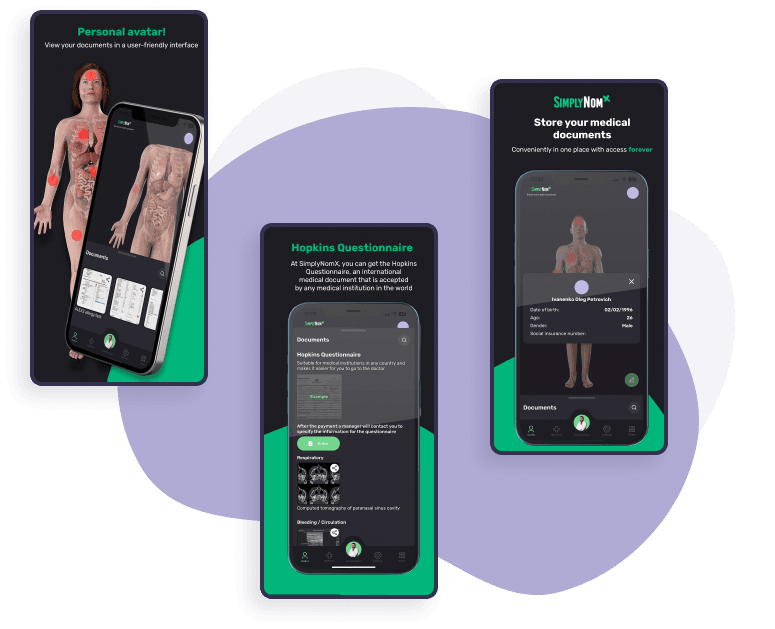
A marketplace app for booking models and creative services directly, with ratings, blacklists and 24/7 support.
Open case study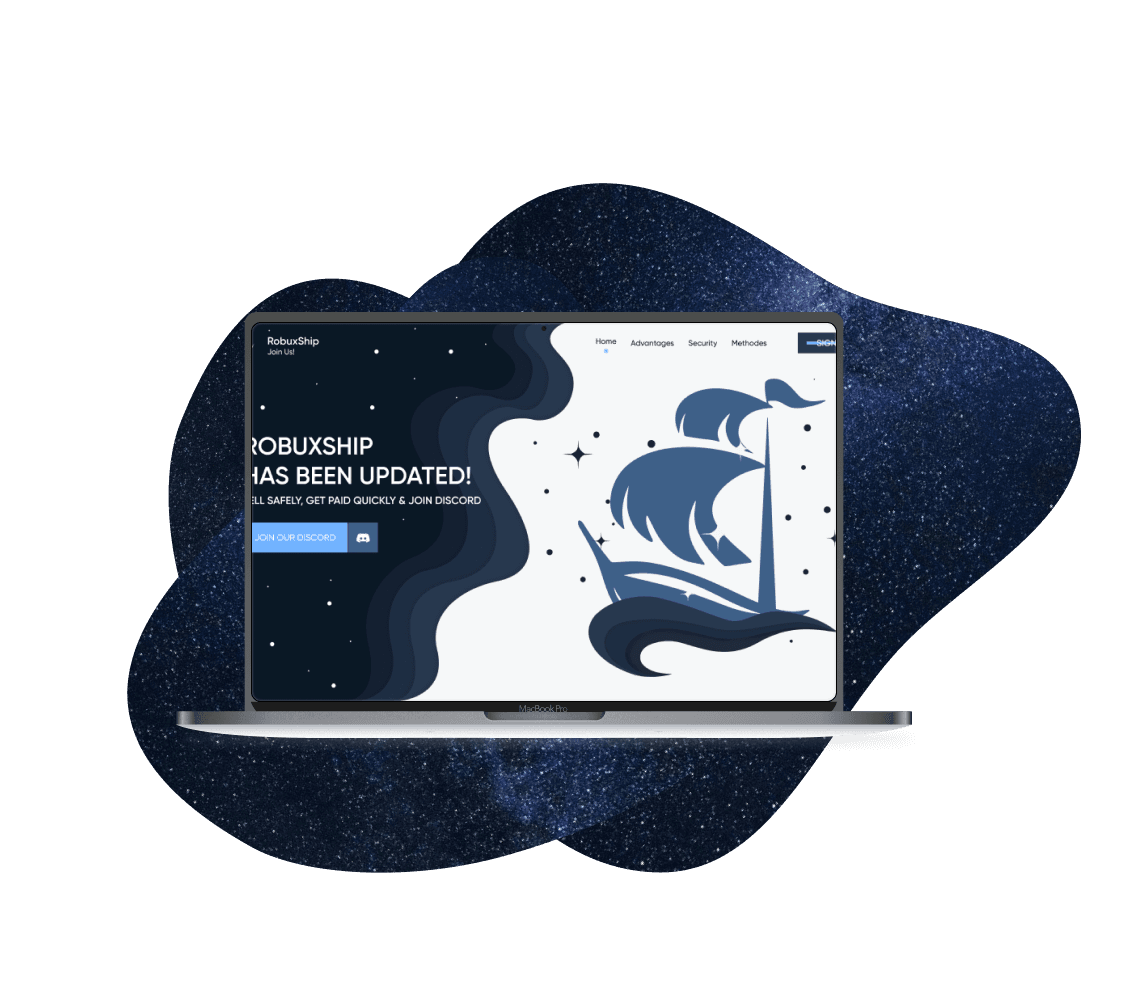
A web service to buy Robux safely and sell quickly, with sales analytics and multiple payment options.
Open case studyWe start marketplace app development by deciding which side is harder to win and designing for that side first. In Garage, a car-service marketplace for Kharkiv and Kyiv, car owners use a mobile app with map search, booking and push notifications. Service owners didn't need yet another app on their phones, so they manage requests through a web admin panel and a Telegram bot, tools they already open every day. The customer app is available on Google Play.
Trust is the product in a services marketplace. IModel lets clients book models and creative professionals directly, so ratings, blacklists, 24/7 support tooling and an admin panel were part of the first release rather than an afterthought. Decide early what you verify before someone can list, what you moderate before publishing and what you handle after a complaint. These rules shape the database and the admin panel as much as the interface.
Payments define your business model. A commission marketplace needs split payments and payouts; a listing marketplace may only need subscriptions or paid placement. RobuxSHIP, a web marketplace for in-game currency, accepts PayPal and crypto (Bitcoin, Tether, Tron) and gives the owner sales analytics and an admin panel. Every payment method brings its own rules for refunds, chargebacks and reporting, so we choose them based on your market and your customers, not on fashion.
A marketplace MVP should prove that one transaction works end to end: a customer finds a provider, books or buys, pays and leaves a review. Smart matching, loyalty programmes and multi-city expansion come later, once you see real demand. Our MVP development process — discovery, UX/UI, two-week sprints with a demo after each — is built for exactly this kind of focused first release. Tell us about your marketplace and you'll get a free estimate with scope, timeline, team and budget range.
As of 2026, a marketplace MVP with a customer app or website, a provider panel, payments and an admin panel typically costs approximately $40,000–$100,000. Native-feeling apps on both iOS and Android, complex payout rules, real-time chat and multiple languages push the budget higher. The biggest factors are the number of user roles, the payment model and how much moderation you need. Our free estimate gives a range for your scope.
It depends on how often people use it. A website is better for search traffic, one-off purchases and providers who work at a desk. A mobile app wins for frequent use, push notifications and location-based search. Many marketplaces combine them, as Garage does: a mobile app for customers and a web panel plus a Telegram bot for service owners.
A payment provider with marketplace features, such as Stripe Connect, collects the payment from the customer, keeps your commission and transfers the rest to the provider's account. Providers go through identity verification required by the payment provider, and payout schedules and refund rules depend on the country. We set up these flows, the commission logic and reports so finance can reconcile every transaction.
We combine several layers: verification for providers, ratings and reviews tied to real transactions, blacklists, limits for new accounts, and moderation queues for new listings. Payment providers add their own risk checks. The admin panel gives your support team the history of each user and order, so they can resolve complaints quickly and block bad actors before they damage trust.
Yes, and we usually recommend it. A narrow launch makes it easier to attract the first providers and learn what customers really need. Garage, for example, focuses on car services in Kharkiv and Kyiv. We still design the data model with cities, categories, languages and currencies as separate entities, so expansion doesn't require rebuilding the platform.
Custom web applications, SaaS platforms, marketplaces and admin panels on React, Next.js and Node.js, from discovery to launch and support.
Learn moreMVP development for startups: we cut the scope to what proves your idea, build a web or mobile v1 in a few months, launch it and iterate on feedback.
Learn moreREST APIs and Node.js backends for web and mobile apps: auth, payments, push, maps, Telegram bots, CRM integrations and scheduled jobs.
Learn moreTell us what you want to build. Within one business day we reply with a recommended scope, rough timeline, team shape and budget range.